Bridges Beyond Borders
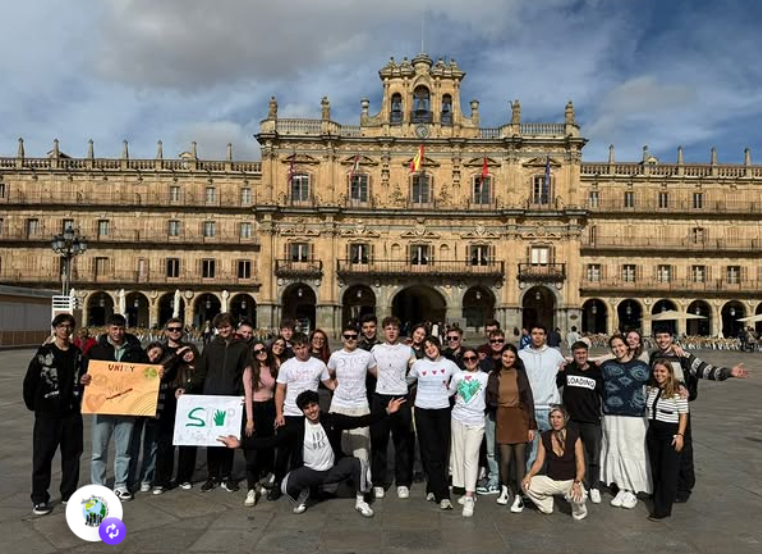
Young people and youth workers participated in this youth project supported by the Spanish National Agency (INJUVE) and the European Union.
Our organization is proud to announce the implementation of an international youth project that directly addresses one of the most pressing challenges of our time: xenophobia, discrimination, and hatred based on perceived differences. Inspired by Pablo Neruda’s powerful words, “They can cut all the flowers, but they cannot stop the spring,” the project is built on the belief that efforts toward love, tolerance, and humanity can never be fully silenced. Every meaningful action taken against discrimination strengthens societies and nurtures a more peaceful future.
In today’s globalized world, rapid advances in communication and transportation have brought people from diverse cultural, ethnic, religious, and social backgrounds closer than ever before. Despite this proximity, prejudice and fear of “the other” remain deeply rooted, often fueled by misinformation, political manipulation, economic anxieties, and historical narratives. Across Europe, and particularly highlighted in recent international reports, there has been a concerning rise in xenophobic, racist, and discriminatory attitudes, posing a serious threat to social cohesion and human rights. While legal frameworks and civil society initiatives exist, these measures alone are not sufficient. There is a growing, urgent need for youth-centered, educational, and experiential approaches that address the roots of hatred and promote understanding from the ground up.
This project responds to that need by placing young people at the center of change. From a youth work perspective, the project aims not only to raise awareness, but also to equip young participants with the knowledge, skills, attitudes, and behaviors necessary to actively challenge xenophobia and contribute to inclusive communities. Through non-formal education methods, intercultural learning, and participatory activities, the project creates a safe and dynamic space where young people can reflect, question, and transform their perspectives.
Main Aim of the Project
The overall aim of the project is to foster empathy, tolerance, and mutual respect among young people, thereby contributing to more equitable, inclusive, and peaceful societies. By encouraging meaningful interaction between individuals from diverse backgrounds, the project seeks to break down stereotypes, prevent the spread of hatred, and strengthen social cohesion at both individual and community levels.
Specific Objectives
The project is structured around five core objectives:
-
To help young people understand the social, cultural, economic, political, and historical factors that contribute to xenophobia and discrimination.
-
To increase tolerance and respect for differences among young people with diverse identities, backgrounds, and life experiences.
-
To strengthen young people’s understanding of fundamental societal values such as human rights, equality, solidarity, and peaceful coexistence.
-
To support young people in developing concrete, youth-led solutions to prevent and counter xenophobia in their communities.
-
To raise awareness among young people and local communities about the negative consequences of xenophobia, hate speech, and discrimination.
Planned Activities
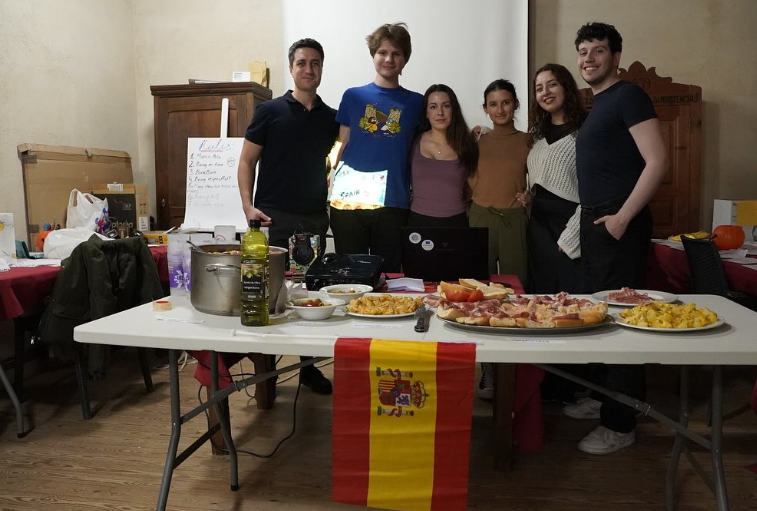
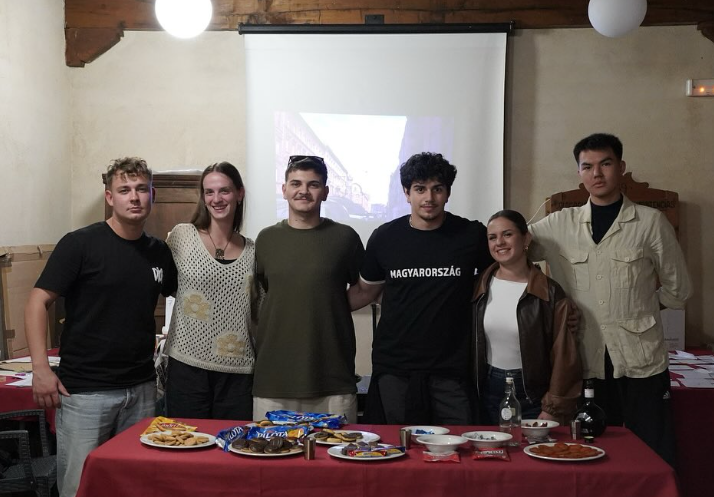
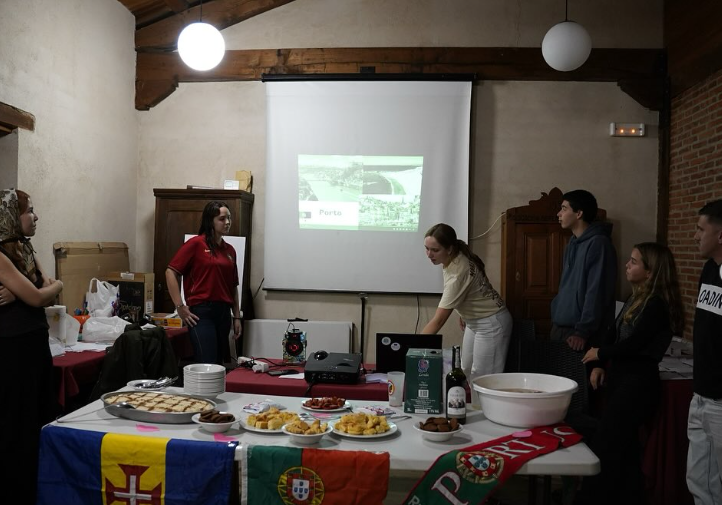
To achieve these objectives, the project will implement a rich program of interactive and creative activities. Participants will take part in thematic station-based workshops exploring the roots of xenophobia, including media influence, fear, political rhetoric, and historical legacies. Storytelling, group discussions, and country presentations will allow young people to connect theory with real-life experiences.
Activities such as human rights simulations, awareness games, cultural exchange sessions, and values-mapping workshops will help participants recognize both differences and shared human experiences. Creative methods like drama, role-play, street interviews, video blogging, banner-making, and flashmob actions will be used to make learning visible and impactful beyond the project group.
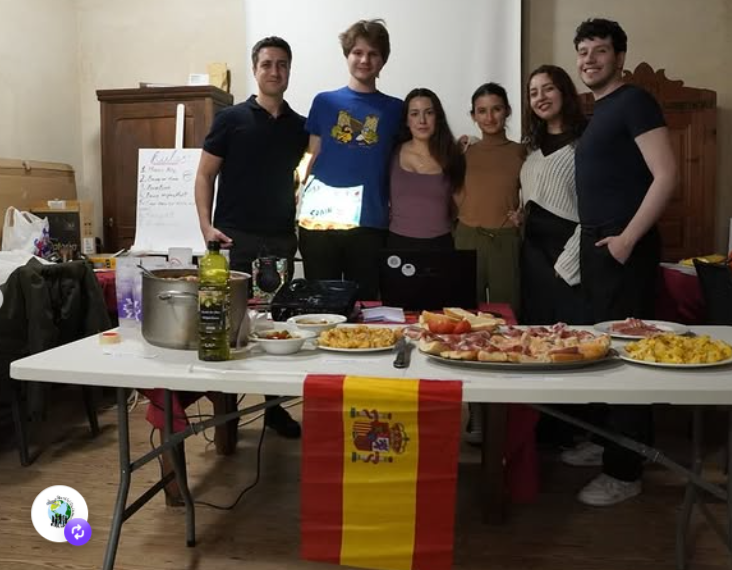
In addition, the program will include group dynamics activities, integration games, daily and final evaluations, Erasmus+ and Youthpass sessions, intercultural evenings, and future-oriented components such as project idea development, draft project writing, partnership building, and dissemination planning. These elements ensure that learning outcomes are sustainable and transferable to participants’ local contexts.
Participants’ Profile
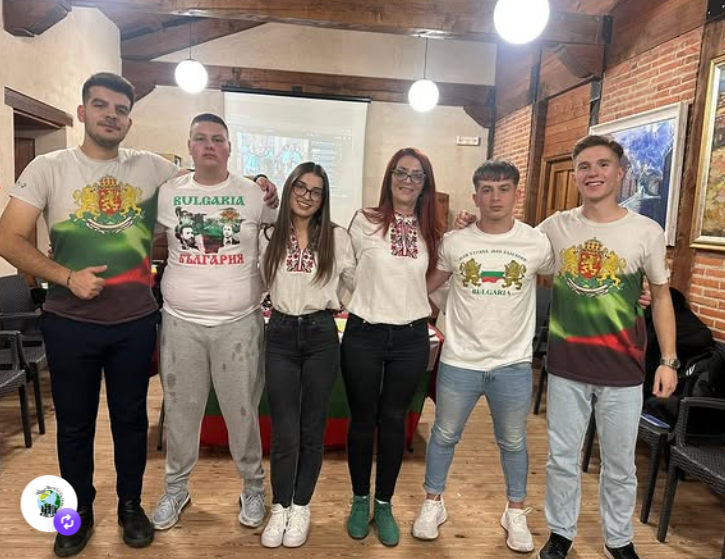
Each participating country will be represented by a group of six young people aged 18–30 and one group leader experienced in youth work and the project topic. Special attention is given to inclusion, with each group involving young people facing economic, social, or cultural disadvantages. This inclusive approach reflects the project’s commitment to equal participation and diversity.
Expected Results and Impact
As a result of the project, participants gained in-depth knowledge about xenophobia and discrimination, along with a strong understanding of cultural diversity and human rights. Throughout the activities, they developed key skills such as critical thinking, problem-solving, empathy, intercultural communication, and collaborative work. On an attitudinal level, the project successfully nurtured openness, tolerance, and the ability to perceive diversity as a social strength rather than a threat.
In the short term, participants became more aware of discriminatory behaviors and felt more confident in responding to such situations in a constructive and respectful manner. In the long term, many participants began to act as change agents within their local communities by initiating inclusive actions, youth-led initiatives, and awareness-raising activities that promote mutual understanding and social cohesion.
The project produced a variety of tangible outputs, including videos, interviews with local communities, creative materials, public actions, and educational content. These outputs reached a wide audience beyond the project participants and contributed to reducing prejudice, increasing awareness, and strengthening social solidarity at the local and transnational levels.
Through the successful implementation of this project, our organization reaffirmed its commitment to empowering young people as active contributors to a fairer, more inclusive, and more peaceful society—one in which the spirit of solidarity and empathy continues to grow and where, as Neruda reminds us, spring cannot be stopped.
By disseminating the toolkit and methods developed, the project ensured long-term sustainability. Its impact extended beyond the immediate participants, creating ripple effects across organisations, local communities and the broader field of youth work in Europe. Ultimately, disadvantaged young people emerged as the main beneficiaries, gaining confidence, self-expression and a sense of belonging through the empowered and innovative practices of the youth workers involved.